In the era of infinite capture, where technology promises absolute sharpness and a dynamic range capable of deceiving the human eye, photography runs the risk of becoming a mere transcription of reality. We have grown accustomed to technical perfection, to color saturation, and to microscopic detail, but in this race for precision, we have begun to forget the most vital component of our craft: intention.
Photography is not the act of recording what is present; it is the act of deciding what remains outside the frame.
The rigidity of rules vs. intention
When we speak of composition, we often lose ourselves in the rigidity of rules. The rule of thirds, the golden ratio, the rule of gaze… These are useful tools, brushes that help us structure the chaos of the world, but if we limit ourselves to applying them like someone following a recipe, we end up producing sterile images—correct, but empty. A “correct” image is often an image that tells us nothing.
The true challenge for the photographer is not to find the perfect composition, but to find the honest one.
The invisible gaze and subtext
The invisible gaze is that which does not need to shout to be heard. It is not a gaze that uses aggressive leading lines or violent contrasts to force the viewer’s attention toward a specific point. It is, on the contrary, a gaze that understands silence. It is the ability to arrange the elements of a scene in such a way that the eye may wander, that it may discover the story on its own, without feeling directed by an invisible and authoritarian hand.
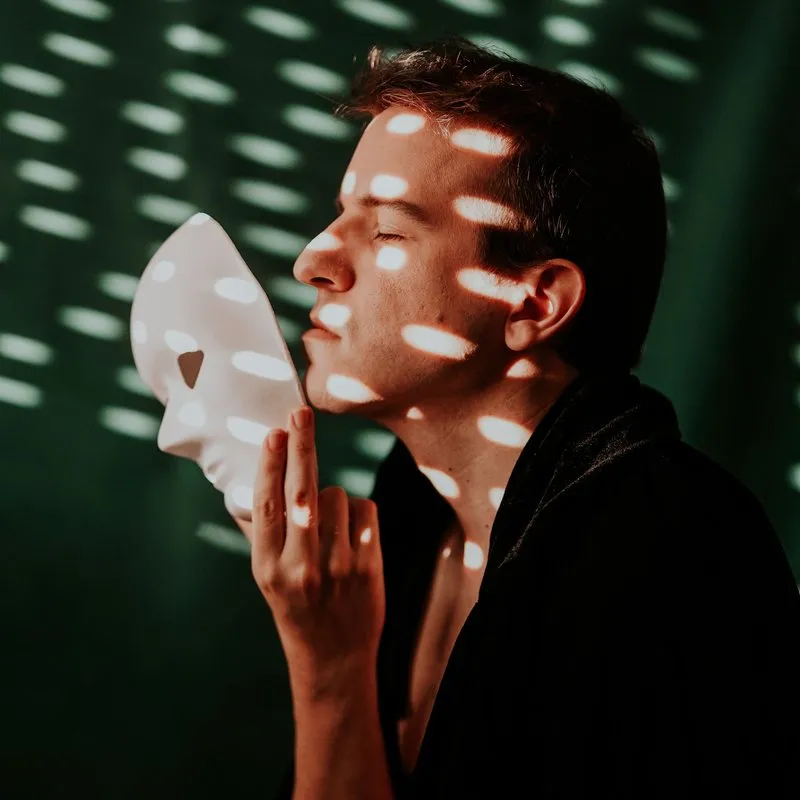
This concept of “unadorned composition” rests upon what we would call subtext in narrative. In an image, the subtext is what is sensed in the shadows, in the negative space, in the tension of an object that seems on the verge of falling, or in the languor of a body at rest. It is the ability to use light not only to illuminate matter, but also to sculpt absence.
A discipline of attention
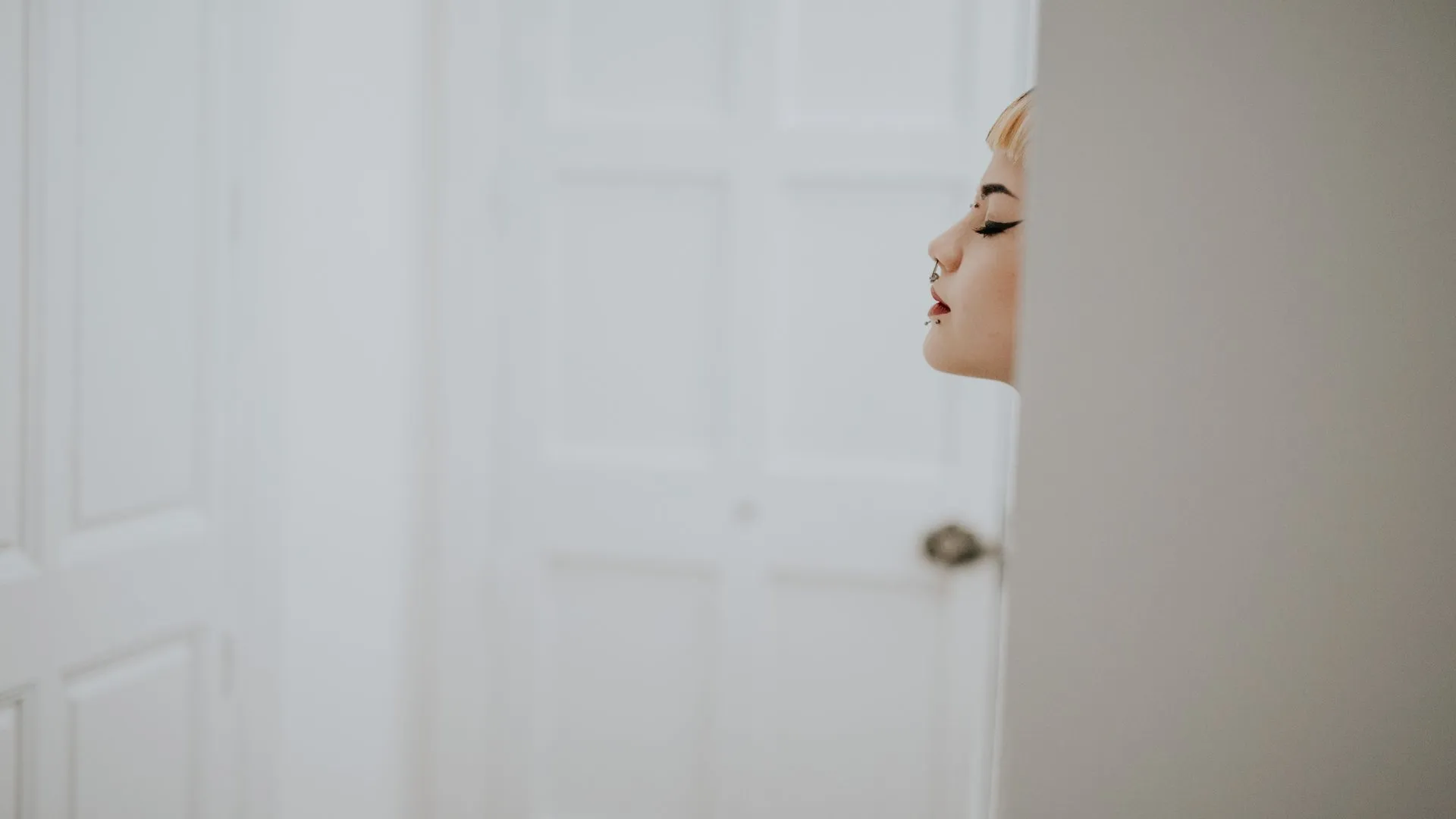
When we decide to leave a vast expanse of air at the top of a portrait, we are not simply following a rule of negative space; we are communicating solitude, we are endowing the subject with a vulnerability that a saturation of details could never convey. When we allow part of the scene to remain submerged in shadow, we are not hiding information; we are inviting the viewer’s imagination to participate in the creation of the image.
This approach requires a discipline that goes beyond technique: it requires a discipline of attention. To be able to decide what to leave out, we must first have deeply understood what remains. We must observe reality until the more incidental elements lose their weight and only the essence remains. It is a process of distillation.
Honest vs. correct composition
Authorial photography—the kind that endures and connects—is that which has passed through this filter. It is that which does not attempt to demonstrate how much the photographer knows about aperture or shutter speed, but rather how much they are capable of conveying through a simple, almost minimalist, aesthetic decision.
Ultimately, to compose is an act of renunciation. We renounce superfluous detail, we renounce unnecessary brilliance, we renounce absolute control over the viewer’s interpretation. And it is precisely in that renunciation that we find the freedom to create images that are not just seen, but felt. The invisible gaze does not seek to be noticed; it seeks that what it gazes upon is what truly matters. That way of looking, learned between the light of Granada and the quiet of the studio, is what I try to sustain in every commission.